comparison · Vs
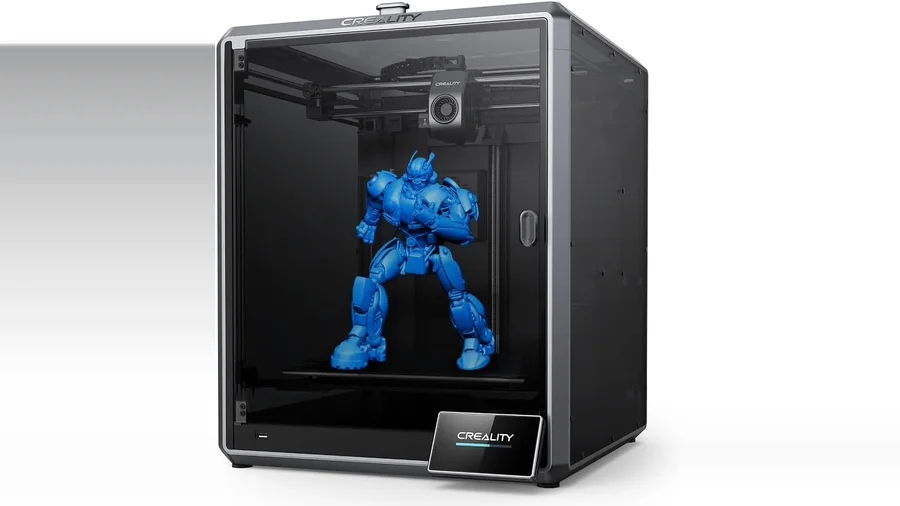
Elegoo Centauri Carbon vs Bambu Lab P1S
By Leo · Updated 2026-09-05
TL;DR
Both are enclosed CoreXY machines with 256 mm build volumes. At launch the P1S listed for $599 and the value case was lopsided; as of late August 2026 the P1S street price is $399 (Amazon buybox), which changes the math — the real decision is now a $50–100 gap, not $300. Buy the Centauri Carbon if you want enclosed-machine materials (PETG, TPU, early ASA experiments) at the lowest sane price. Buy the Carbon 2 at $349 if you want the current generation (350 °C hotend, optional multicolor) for $50 less than a P1S. Buy the P1S if you want the more mature ecosystem end-to-end: slicer profiles, AMS multi-material, firmware polish, and a three-year track record of reliability. The honest summary: Elegoo closed the hardware gap faster than the ecosystem gap — and the P1S’s price cut is Bambu admitting it.
| Product | Rating | Build Volume | Max Speed | Enclosure | Buy |
|---|---|---|---|---|---|
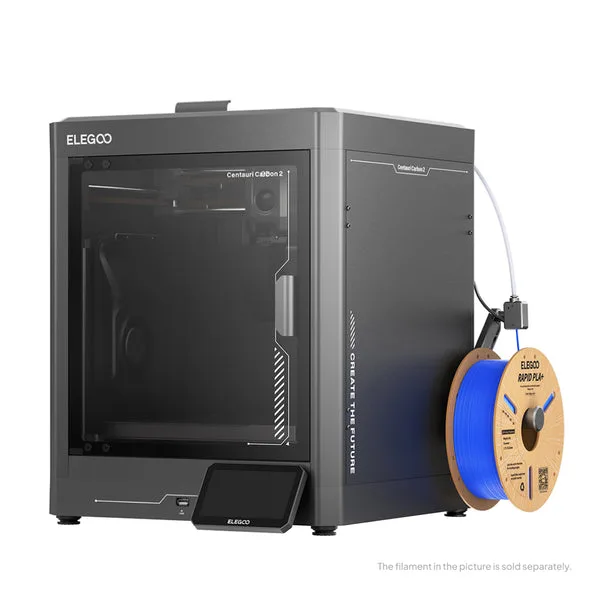
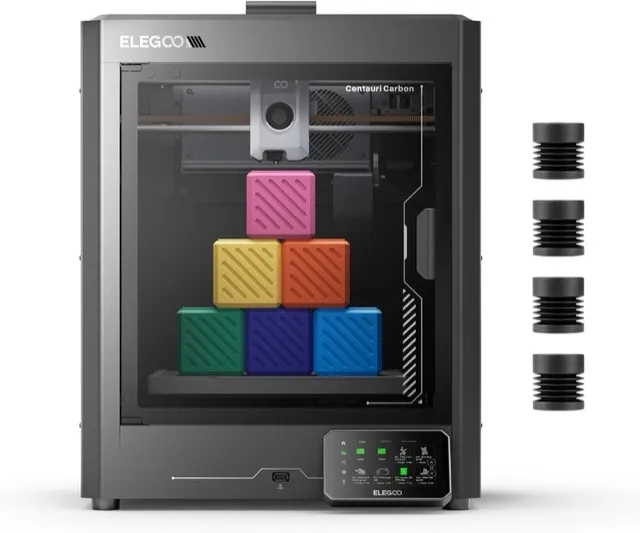 Elegoo Centauri Carbon | 4.4 (community est.) | 256 × 256 × 256 mm | 500 mm/s | Yes | View |
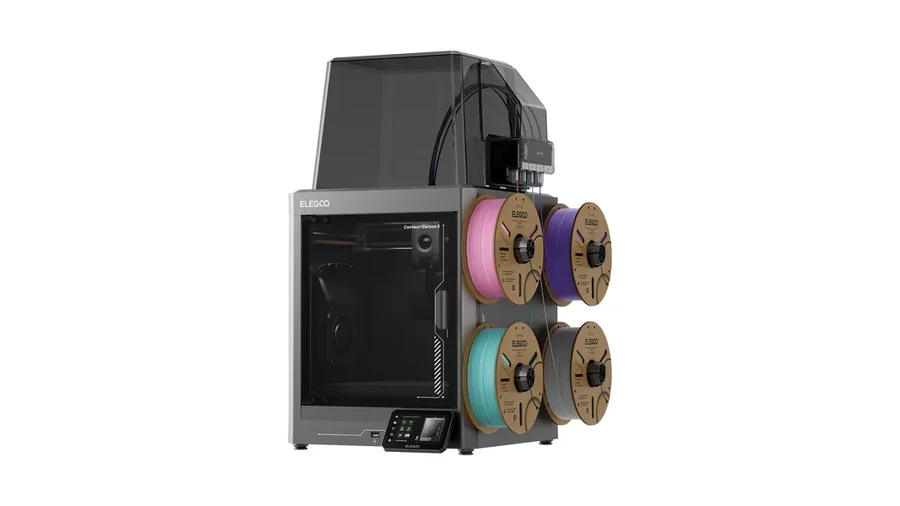
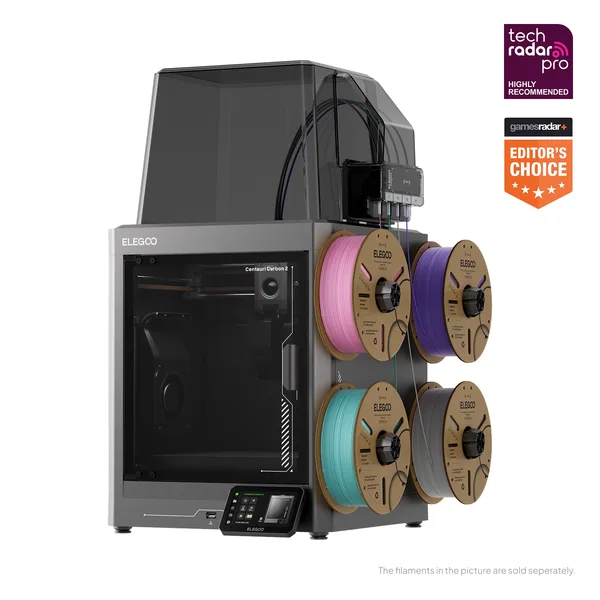 Elegoo Centauri Carbon 2 | — | 256 × 256 × 256 mm | 500 mm/s | Yes | View |
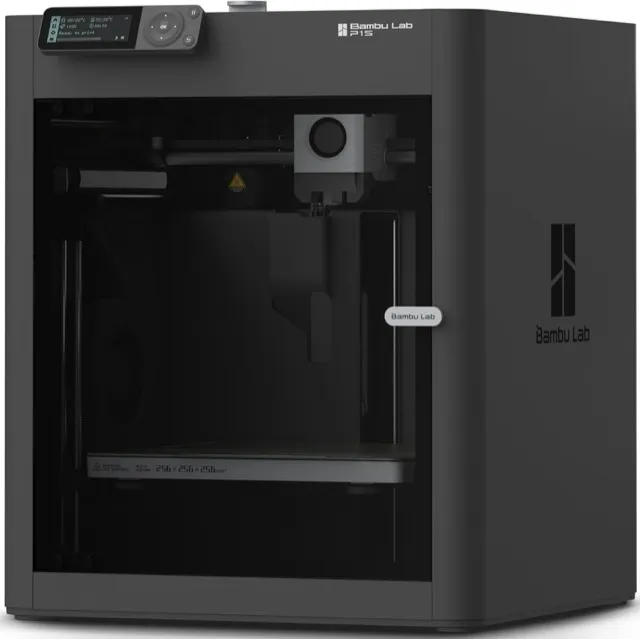 Bambu Lab P1S | 4.6 (community est.) | 256 × 256 × 256 mm | 600 mm/s | Yes | View |
What’s the same
Enclosed chamber, CoreXY motion, 256 mm class build volume, ~500–600 mm/s claimed speeds. For PETG and everyday printing, both produce genuinely good results — this is not a case where the cheaper machine is a compromise in print quality. CNET and All3DP both rate the Centauri as the best budget enclosed pick this year, and the community experience broadly agrees.
Centauri Carbon 2 vs P1S: the 2026 question
Since we published, Elegoo released the Centauri Carbon 2 ($349 base, $449 Combo with multicolor), and Bambu cut the P1S’s street price. Direct answer for 2026: the CC2 is the better hardware buy — newer hotend (350 °C vs 300 °C), optional multicolor, same 256 mm enclosed CoreXY footprint — for $50 less. The P1S is the better platform buy: AMS multicolor is mature today, Bambu Studio’s profile depth is unmatched, and three years of firmware history means your problem already has a forum answer. If those ecosystem lines don’t move you, save the $50.
Where each clearly wins:
| Dimension | Centauri Carbon 2 | Bambu Lab P1S |
|---|---|---|
| Street price (late Aug 2026) | $349 / $449 Combo | $399 / $549 Combo |
| Claimed speed | 500 mm/s | 600 mm/s |
| Hotend | 350 °C | 300 °C |
| Multicolor | Optional (Combo) | AMS, mature |
| Ecosystem maturity | Brand new | Three years, huge base |
Specs are manufacturer-declared; prices are US street prices at time of writing. Two implications for the original Centauri Carbon:
- The original at ~$299 is now a clearance-style value play — still enclosed CoreXY, still the cheapest sane entry to this class, but it’s the outgoing generation
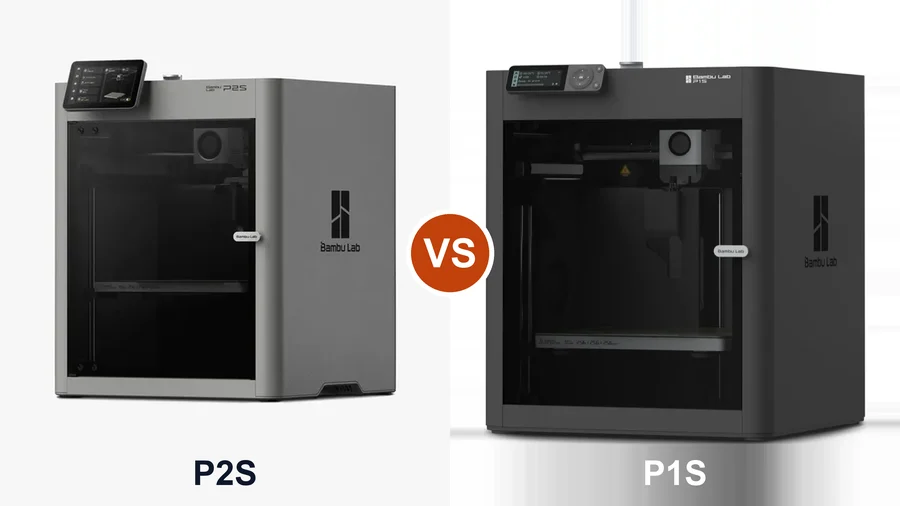
- At $349, the CC2 squeezes the P1S’s value case — Bambu’s premium is ecosystem, not hardware. Also worth knowing: Bambu now sells the P2S ($549–569), which is where Bambu’s own innovation budget went — if you’re paying up, that’s the newer Bambu platform to compare against
Our protocol run will cover both Elegoo generations — see how we test.
What the P1S premium buys
- AMS multi-material — the P1S upgrades into Bambu’s AMS for multi-color/dedicated supports; the Centauri’s multi-material story is younger (CC2 Combo exists, but it’s first-generation)
- Profile depth — Bambu Studio’s material and third-party filament profiles are the most mature in the industry; fewer surprises with new filaments
- Track record — three years of firmware refinement and a huge user base means your specific problem is usually already solved in a forum post
- Resale and parts ecosystem — denser availability of parts, mods, and buyers
What the Centauri wins on
Price, obviously — but also that it forced this entire market segment to exist. Its enclosed chamber at $299 is the reason “enclosed CoreXY under $300” is a category at all. For a second printer, a materials-experiment machine, or a budget that can’t stretch to a P1S even at $399, it’s the right call — with the expectation that you’ll do a bit more community-research per filament.
Who should buy which
- Centauri Carbon: budget-capped, wants enclosure for PETG/TPU, comfortable consulting forums, second machine
- Centauri Carbon 2: wants current-gen hardware (350 °C hotend, multicolor option) under $400 — see the CC2 vs P1S section above
- P1S: wants multi-material eventually, values turnkey reliability over savings, prints ASA seriously
- Neither: PLA-only beginners should look at the A1 first — enclosure is a solution to problems PLA doesn’t have. More head-to-heads in our VS hub
FAQ
Is the Elegoo Centauri Carbon as good as the Bambu P1S?
On raw print quality for common materials like PETG: close enough that most users won't see the difference. The P1S's advantages are ecosystem — multi-material, profile depth, and a longer reliability track record — not dramatically better prints.
Centauri Carbon 2 vs Bambu Lab P1S — which should you buy in 2026?
At late-August 2026 street prices ($349 vs $399), the CC2 wins on hardware — newer 350 °C hotend, optional multicolor, same enclosed CoreXY format. The P1S wins on platform: mature AMS multicolor, deeper slicer profiles, and a three-year reliability track record. If ecosystem matters to you, pay the $50; if it doesn't, the CC2 is the better-specified machine for less.
Which is better for ABS and ASA?
The P1S, on track record: enclosed CoreXY with mature high-temp profiles. The Centauri's chamber helps versus an open frame, but ASA on a $299 machine is still early-adopter territory — check current community results before committing.
Does the Centauri Carbon support multi-color printing?
The original Centauri Carbon: not at the P1S/AMS level. The Centauri Carbon 2 offers an optional multicolor system in its $449 Combo — first-generation compared to Bambu's AMS, but it exists, and it undercuts the P1S Combo ($549).