evergreen · Learn
How to Fix 3D Print Stringing (Causes, in Order)
By Leo · Updated 2026-08-24
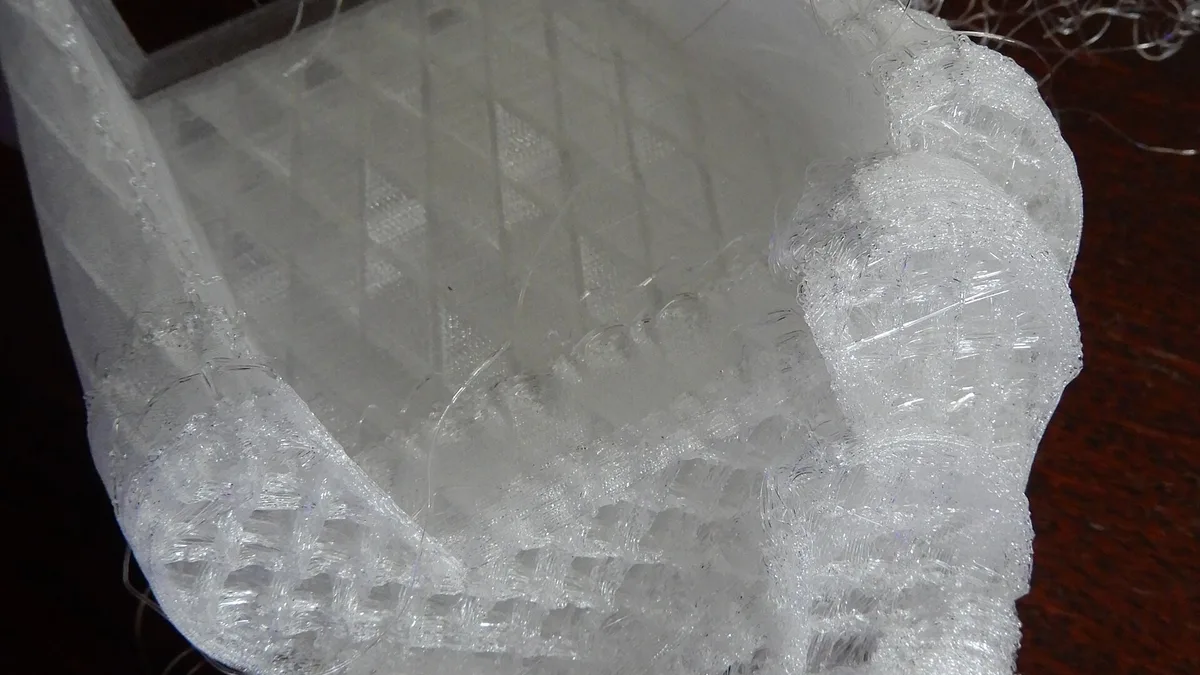
What is stringing?
Stringing is the fine plastic “cobweb” left on a print when filament oozes out of the nozzle during travel moves. It’s cosmetic on decorative parts, fatal on functional ones — and it almost always comes from one of three causes, which you should check in this exact order.
Fix 1: Dry your filament (do this first)
Wet filament is the most common and most overlooked cause, especially with PETG, nylon, and even PLA that has sat out for weeks. Moisture makes the filament bubble and ooze. A filament dryer or a low-temperature oven pass (per your filament’s spec) resolves stringing that no amount of retraction tuning will touch.
A spool that has been dried half a dozen times, or sat open for a year, won’t come back — at that point replacing it beats fighting it, and a fresh spool from a brand with consistent diameter tolerances oozes less on travel moves in the first place. Two community-consensus picks (our filament protocol numbers are queued):
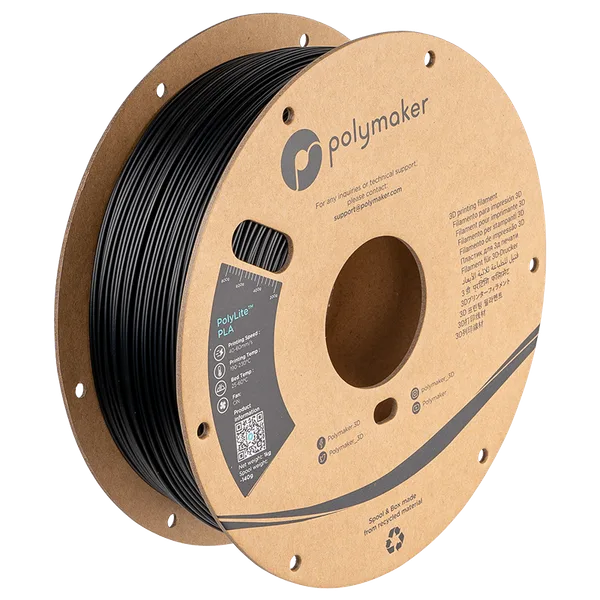
Polymaker
Polymaker PolyLite PLA
- material
- PLA
- weight
- 1 kg
Polymaker PolyLite PLA — the default all-rounder: consistent diameter, predictable behavior on stock profiles. The replace-the-wet-spool pick for most people.
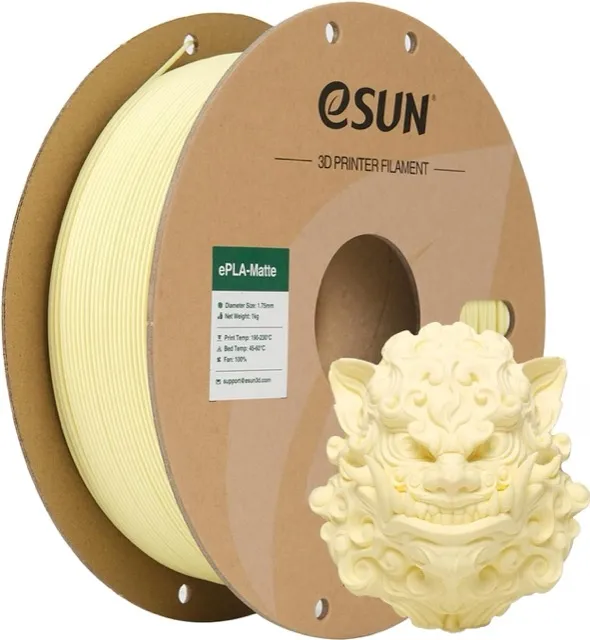
eSun
eSun PLA Matte
- material
- PLA (matte)
- weight
- 1 kg
eSun PLA Matte — the display-piece pick: matte finishes hide minor surface artifacts, so the wisps that survive drying and tuning matter less on prints meant to be looked at.
Fix 2: Lower your nozzle temperature
Hotter filament is runnier. Dropping nozzle temperature by 5–10 °C is often the single most effective slicer change. Print a temperature tower to find the lowest temperature that still gives you good layer bonding.
Fix 3: Calibrate retraction
Retraction pulls filament back during travel moves so it doesn’t dribble. Increase retraction distance and speed in small steps (e.g., +0.5 mm, +5 mm/s), test-printing a retraction tower between changes. Stop when webs disappear without introducing under-extrusion artifacts.
If it still strings
Check nozzle wear (a worn tip oozes unpredictably), enable slicer “coast/wipe” if available, and consider that some silk or glow-in-the-dark filaments simply string more than others.
What causes stringing in 3D printing?
Three causes, in order of likelihood: wet filament, nozzle temperature too high, and uncalibrated retraction settings. Fix them in that order — drying first — because wet filament makes the other two fixes useless.
What retraction settings should I use for PLA?
A typical starting point for a direct-drive printer is 0.5–1.0 mm at 35–45 mm/s; Bowden setups need more (4–6 mm). Calibrate with a retraction tower rather than copying numbers — every machine differs.
Why does my PETG string more than PLA?
PETG is more hygroscopic and prints hotter, so it oozes more by nature. Dry it before every important print and reduce temperature before touching retraction.